
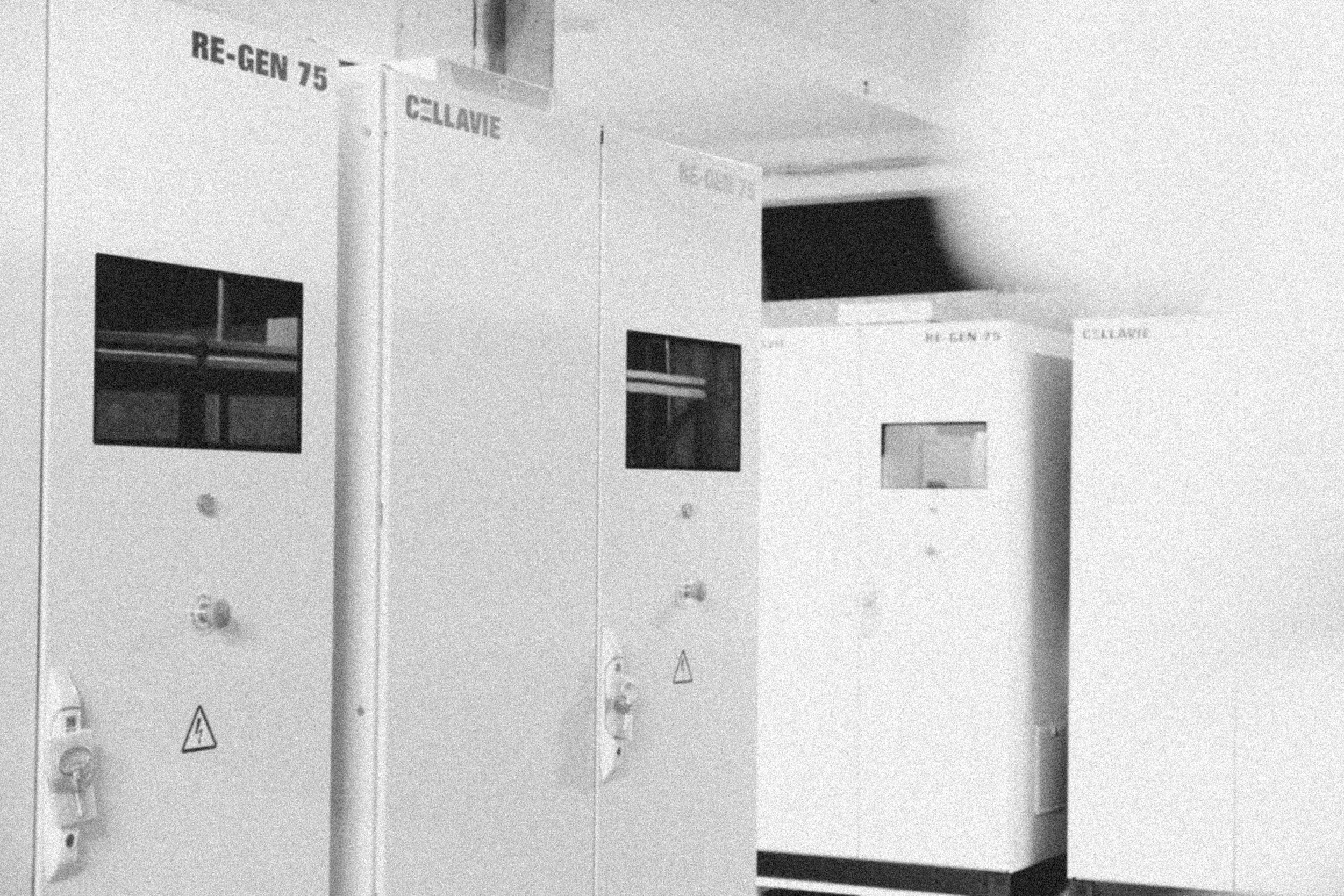
DEEP DISCHARGE, FOR SAFETY
Deep discharging extracts fully the energy from batteries. As electric vehicle adoption accelerates, so does the volume of end-of-life and damaged batteries requiring safe handling. Deep discharging is essential to safely store, transport, and recycle these batteries. Removing all residual energy reduces the risk of fires in your facility.

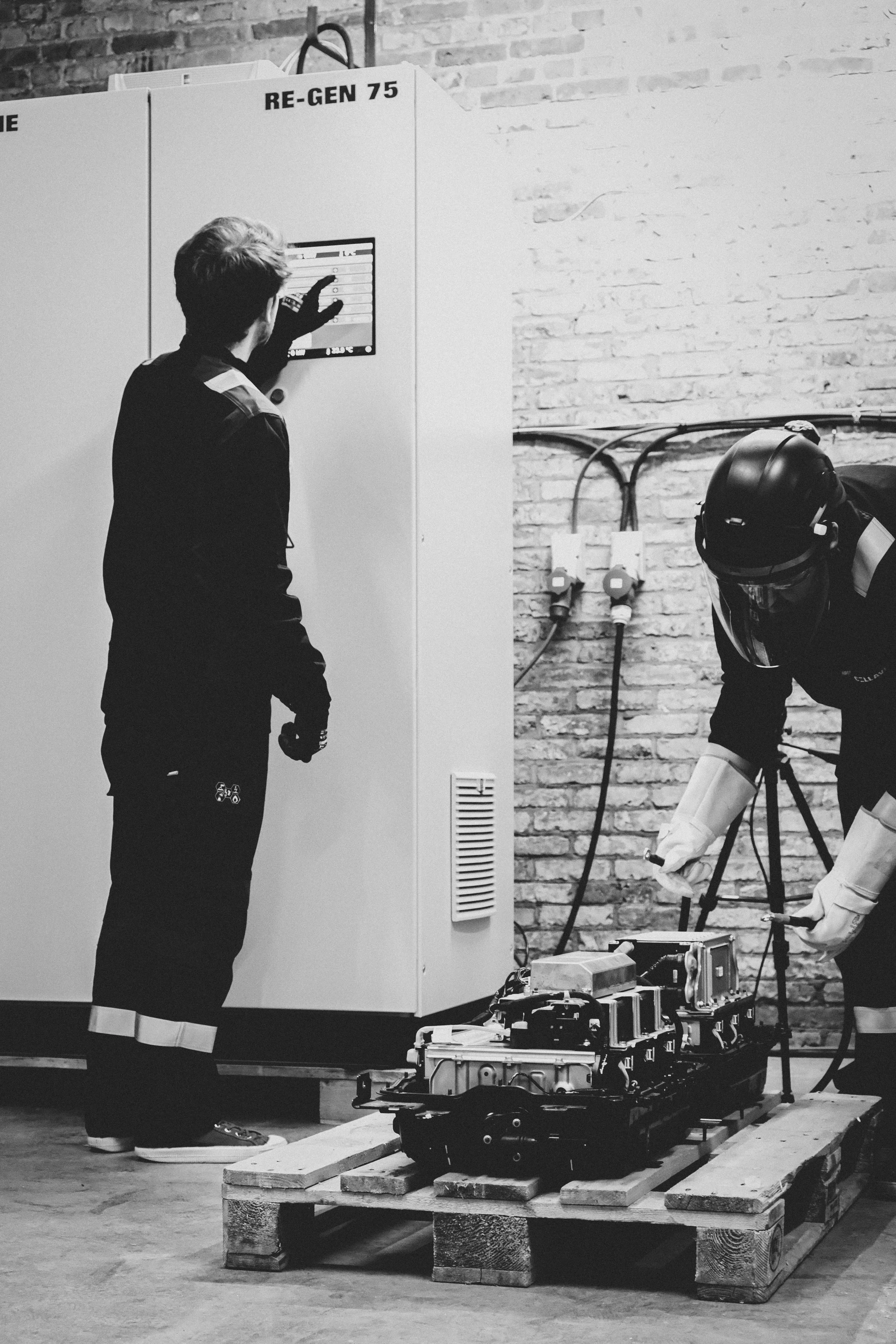
Deep discharging is
a must
Recycling
Mechanical pretreatment of batteries requires discharging the feedstock to 0 Volts to not damage the shredding equipment. It also allow dismantling operations to happen in significantly safer conditions. As such, deep discharging enables valuable materials recovery safely and efficiently, enabling the circular economy while protecting workers and infrastructure.
Handling damaged batteries and modules
Damaged batteries are unpredictable. A compromised cell can short-circuit at any moment, and if charged, the results can be devastating. Deep discharging removes this threat entirely, transforming a potentially explosive situation into a manageable one.
Storing & Transporting
Even partially charged modules pose serious fire risks during storage and transport. Discharging to safe levels or deep discharging prior recycling eliminates the energy that could ignite a fire, allowing safe long-term storage and de-risks the whole logistics chain
Reduce your insurance bills
Facilities storing charged end-of-life batteries face steep insurance premiums and strict requirements. Some insurers won't even cover operations without proper discharge protocols. Deep discharging demonstrates serious risk management, helping you negotiate better rates and potentially save tens of thousands annually.
Not sure if discharging makes sense for you?
Every operation has unique challenges. Whether you're running a repair centre, managing an ageing fleet, or operating a dismantling facility. Your situation could be completely different.
Deep discharge methods
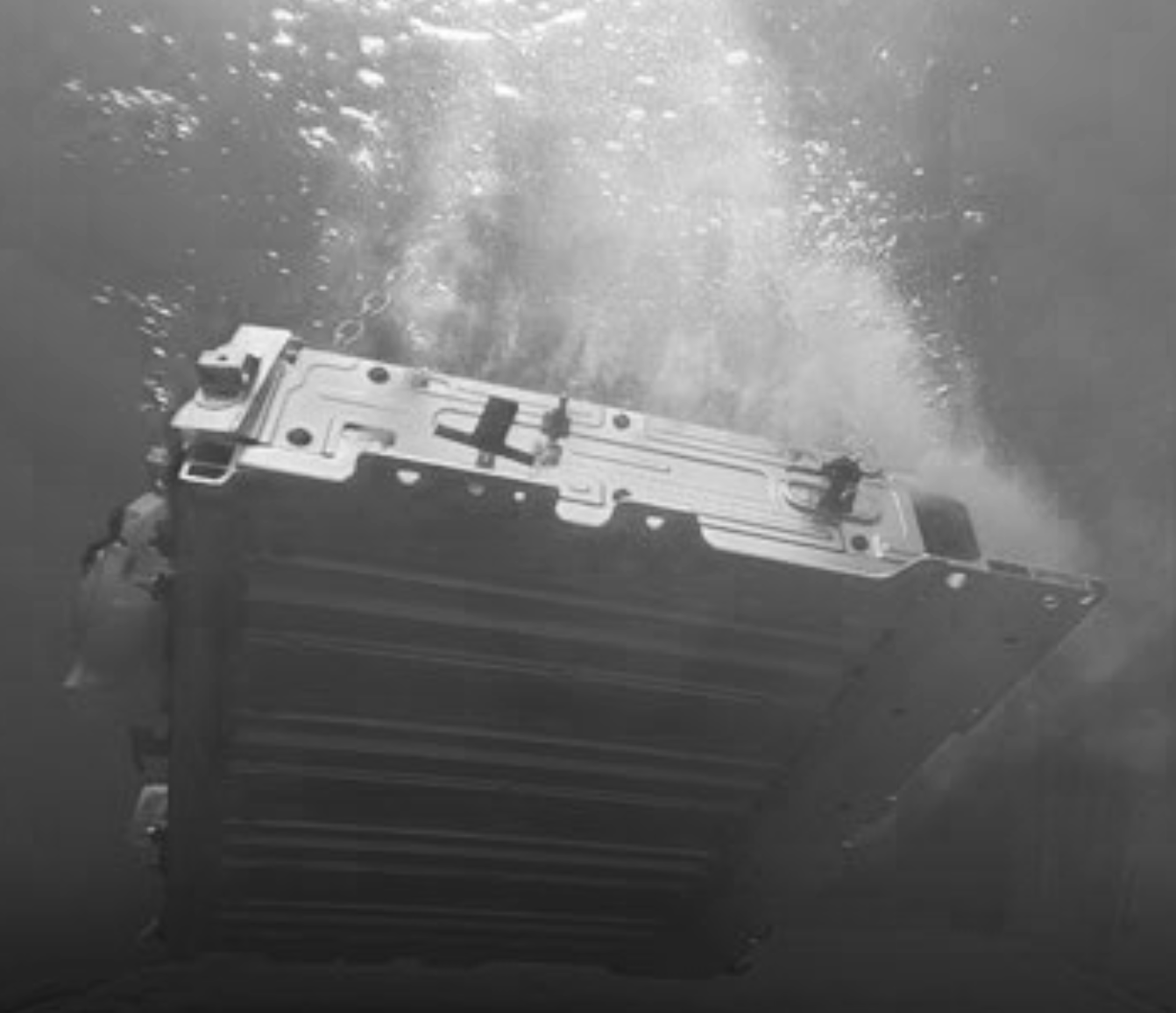
Liquid
Liquid discharge submerges batteries in conductive salt water, creating a controlled short circuit. The energy dissipates as heat into the water, gradually draining the battery to zero volts.
The problem: it takes a long time to fully discharge (2-24h) while creating an environmental mess. The process produces toxic gazes and the liquid solution becomes contaminated with battery chemicals and heavy metals, requiring expensive hazardous waste disposal.
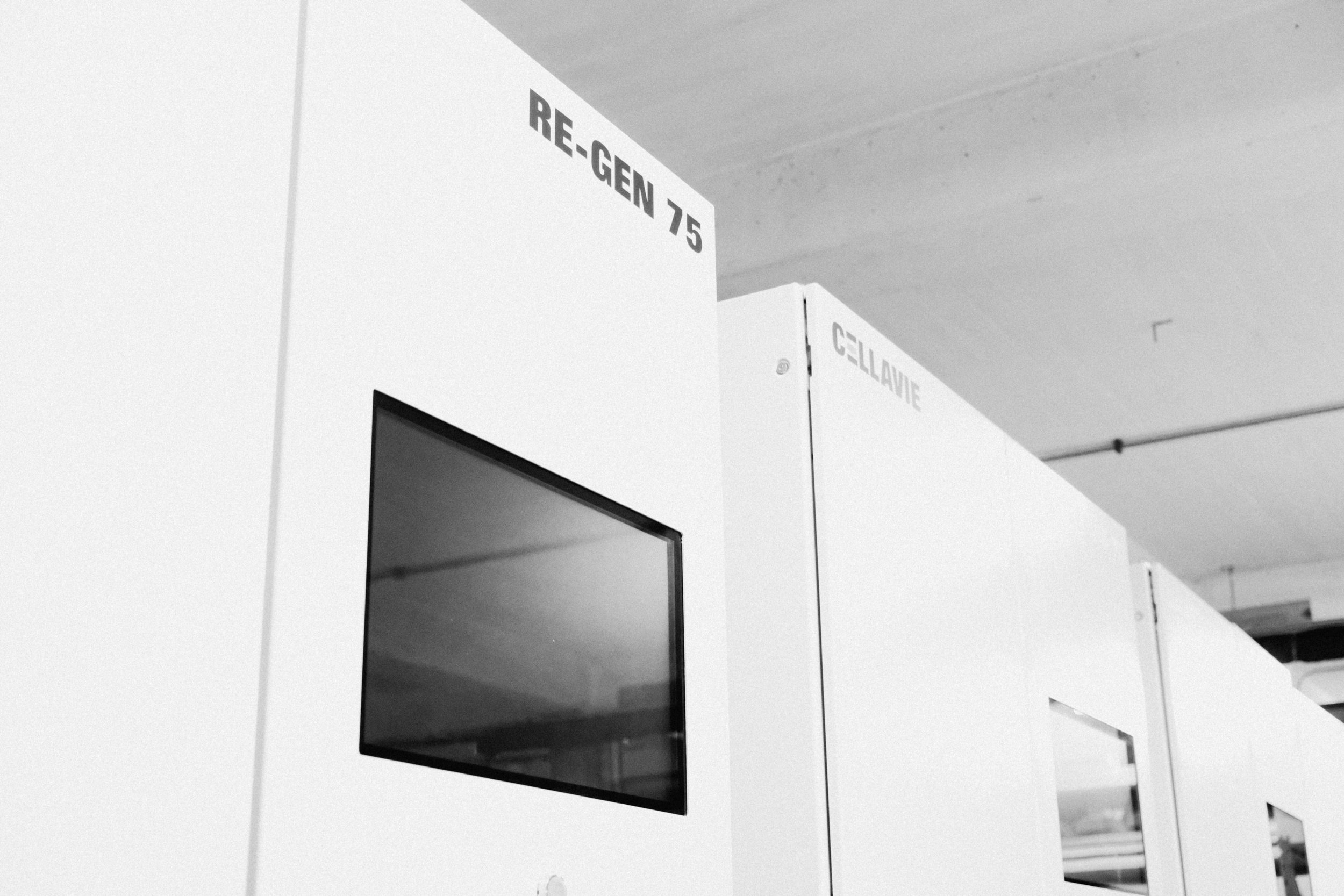
Regenerative
Regenerative discharge converts DC power from batteries into AC power and feeds it directly into your electrical grid. You're extracting energy and putting it to productive use.
This is the smart way forward: you're turning waste into revenue. Recovered energy offsets your facility's power consumption, dramatically reducing operating costs. Cellavie's RE-GEN series achieves up to 96% efficiency, meaning almost all stored energy goes back into your grid instead of being wasted as heat. It's faster, cleaner, safer, and actually profitable.
OUR EXPERTISE
Resistive
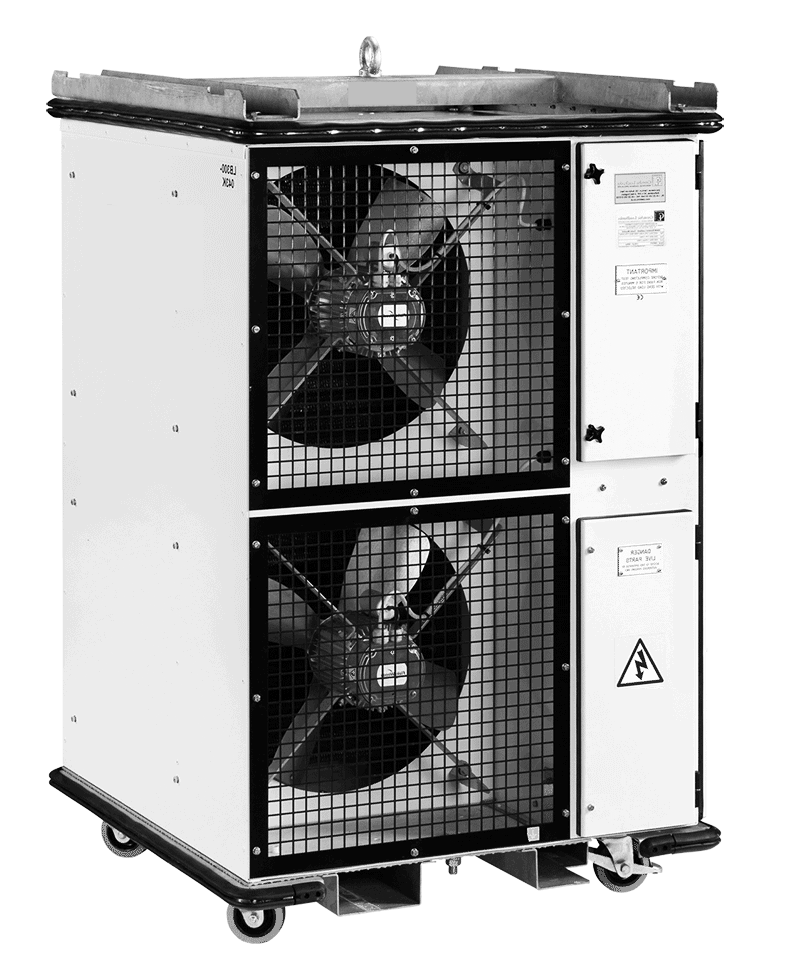
Resistive discharge uses large resistor banks to convert battery energy into heat. The resistors get extremely hot, requiring substantial cooling systems and careful thermal management.
The fundamental flaw: you're converting valuable electrical energy into waste heat. You're wasting energy that could offset power bills, your facility becomes hot, and equipment degrades from thermal stress. Plus, discharge is slower because you're limited by how much heat resistors can safely handle. It works, but it's the expensive, inefficient way.

Deep discharge solutions
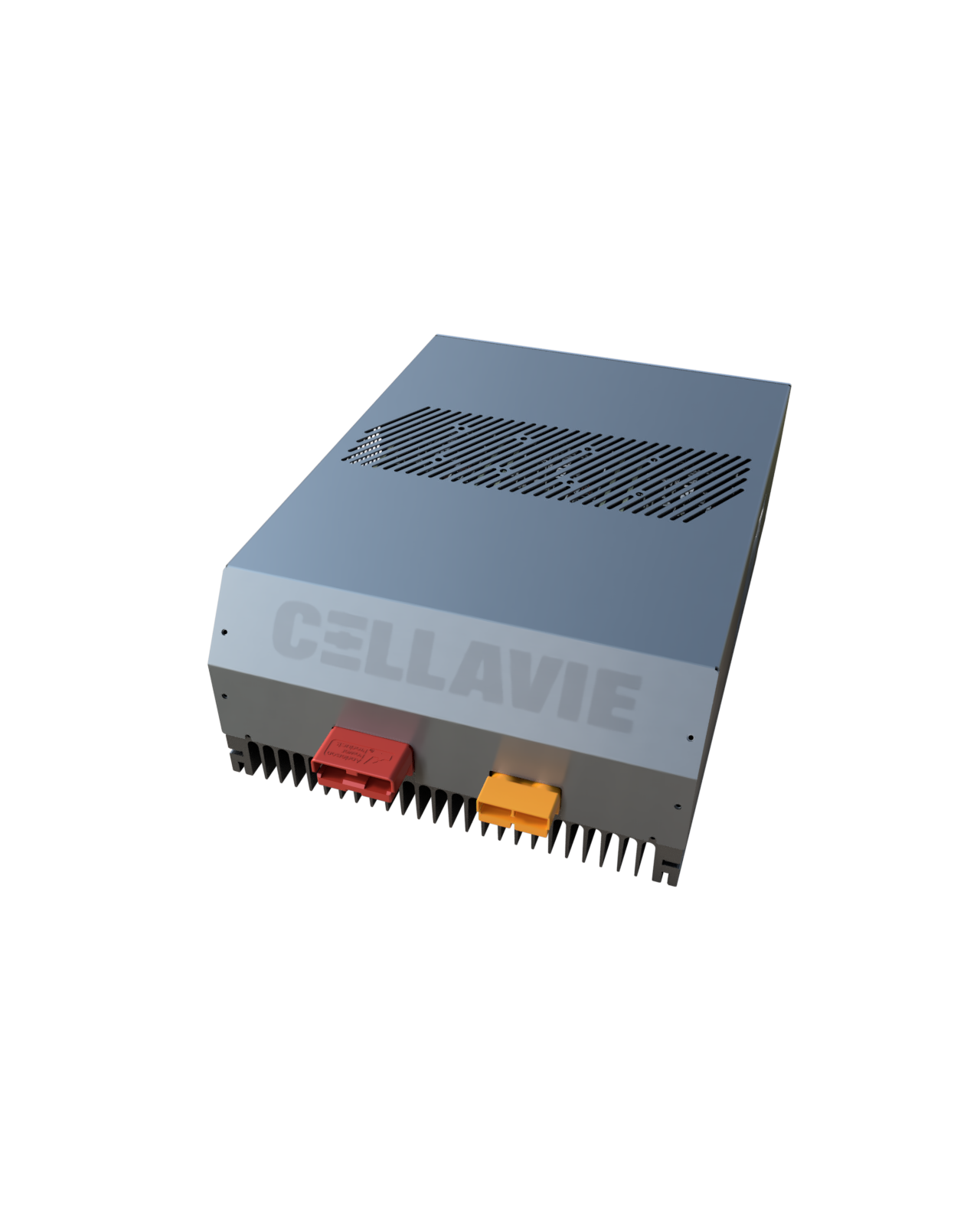

0-100V RANGE
Module discharge
When you're working with individual battery modules and cells, you need precision and flexibility. Module discharge solutions handle the building blocks of battery packs, from small cells to larger module assemblies. These systems typically operate in the 0-100V range and can be scaled by connecting multiple units together. Perfect for repair shops, quality control operations, and facilities that disassemble packs before recycling.
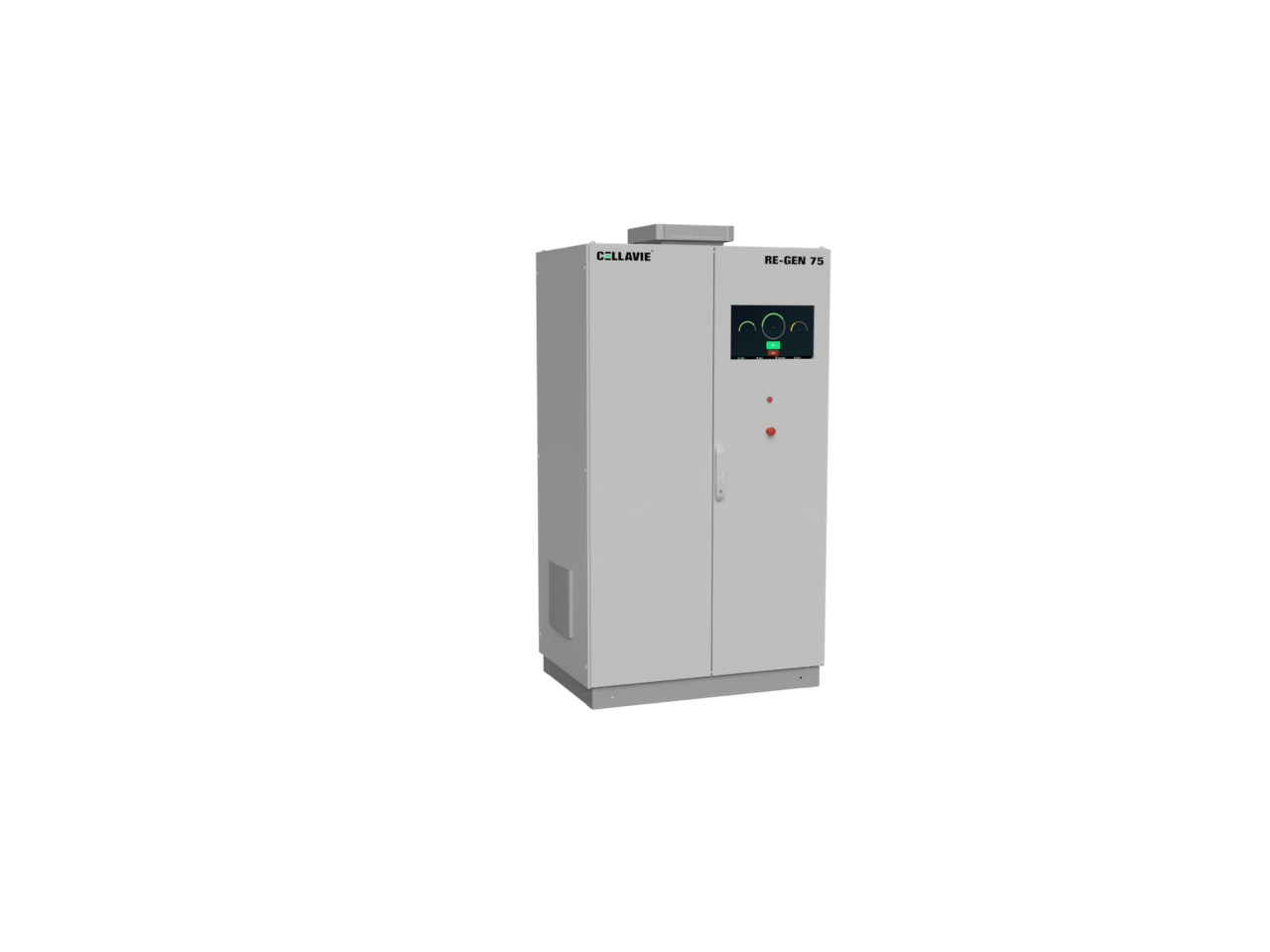
0-950V RANGE
Battery discharge
For complete EV batteries and high-voltage packs, you need industrial-scale discharge capability. Battery discharge solutions handle everything from 950V down to 0V, managing the extreme power levels found in full electric vehicle batteries. With integrated safety features like thermal imaging and anti-reverse protection, these systems safely process damaged packs, warranty returns, and end-of-life vehicles while recovering maximum energy back to your facility's grid.